


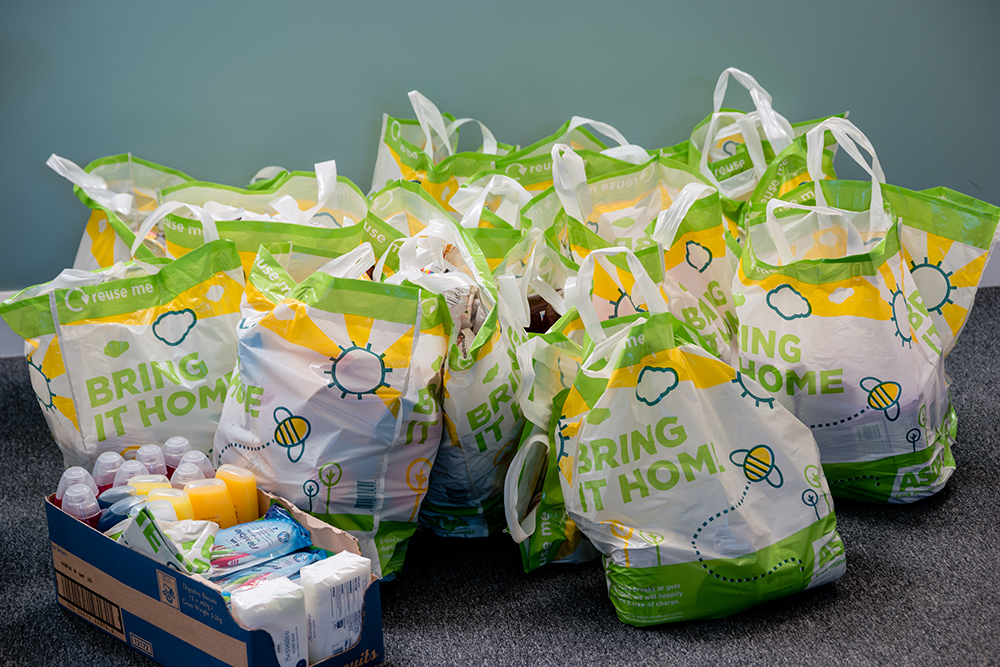
Single-use carrier bags in the UK have been consigned to the wastebin of history. But now, as shoppers pay up to £1 for ‘bags for life’, supermarkets face no obligation to disclose their impact on the environment, or how this revenue is used. Jamie Livingston, iAM Learning, argues that better governance is needed.
The rise of the bag charge
The carrier bag charge has been one of the UK’s most effective environmental measures.
Since charging began in 2015, single-use plastic bag sales have fallen sharply.
In the most recent reporting year, April 2024 to April 2025, large retailers in England sold 437 million single-use bags, a fall from 2.1 billion in 2016 to 2017. Among the main supermarkets, sales have dropped from 7.6 billion bags in 2014 to 164 million, a reduction of almost 98%.
Daily habits have changed with it, as usage per person has shifted from around 140 bags a year in 2014, to just 3 a year among the main supermarkets. While single-use bags have declined, shoppers now pay between 30p and £1 for bags for life. These thicker bags fall outside mandatory reporting, which creates limited insight into their environmental impact or where the revenue goes.
How the model has shifted
The scheme began as a simple 5p charge, later rising to 10p and extending to all businesses, though only large retailers must report figures to Defra. As single-use bags disappeared, bags for life became the default option.
WRAP research shows most people now own reusable bags, yet reuse varies, and many shoppers still pick up new ones when they forget or do not have them to hand.
Because these bags sit outside formal reporting, there’s no clear view of how many are sold or whether they support genuine reuse. This gap makes it difficult to judge whether bags for life are meeting environmental aims or simply replacing single-use plastics with a thicker product.
Limited reporting and the risk of greenwashing
Reporting on single-use bags is mandatory, but information on bags for life and charitable donations is voluntary. In 2024 to 2025, only 31% of retailers published donation figures, reporting £7.7 million given to good causes. Since 2015, reported donations have reached more than £225 million, though the real total is higher as many retailers choose not to release their figures.
This lack of consistent disclosure affects public confidence. When customers pay more for products linked to environmental aims, they expect clear information about how their money is used. Without this clarity, sustainability messages weaken and the risk of greenwashing increases, as claims appear positive but lack supporting data.
Environmental Impact of thicker bags
Bags for life contain more plastic than the lightweight bags they replaced, so their environmental value depends on repeated reuse.
When new bags are bought often, overall plastic use can rise rather than fall, creating a pattern that is difficult to track without clear reporting. This makes it harder to understand how bags for life contribute to waste reduction efforts or how well they support long-term behaviour change.
Why ESG and ethical decision-making training matters
The evolution of the carrier bag charge highlights the wider need for responsible governance, particularly when organisations make public sustainability commitments. ESG strategies depend on clear reporting and decisions grounded in reliable information.
When decision-makers understand how sustainability connects to communication, supply chain choices and customer expectations, they are better placed to avoid unclear claims and reduce the risks linked to limited or inconsistent data.
Ethical decision-making training supports this by helping teams recognise where information gaps may cause concern, building confidence in reviewing environmental claims, understanding risk and communicating decisions in plain language. For organisations developing sustainability commitments, these skills help create a more consistent approach rooted in transparency.
Key Takeaways for Firms
Practical measures carry more weight when supported by clear information
Revenue linked to environmental aims needs open reporting
Trust grows when claims are backed by data
Well-trained teams handle sustainability communication more effectively
Good governance relies on simple, consistent reporting
What stronger practice could look like
Retailers can take practical steps to support confidence.
Publish annual figures on bags for life and how proceeds are used
Provide guidance in stores to encourage reuse
Offer lower-plastic or more durable alternatives
Communicate recycling and end-of-life routes in plain language
Build internal processes that support open, consistent reporting
These steps help create an approach that supports both environmental aims and customer expectations.
Strengthening trust through open communication
The carrier bag charge has helped reduce plastic waste nationwide and changed long-standing habits. As attention turns to bags for life, transparency becomes even more important. Retailers that publish clear information on sales, revenue and environmental outcomes will be better placed to maintain public trust.
For organisations across all sectors, strong communication and well-informed decision-making are key to supporting sustainability commitments and long-term credibility.
iAM Learning is an ESG and ethical decision-making training provider.
References
Data for single-use carrier bag sales and reporting requirements are from the UK Government’s publication Single-use Plastic Carrier Bags Charge Data for England 2024 to 2025.
Insights on consumer behaviour and reusable bag ownership draw on WRAP’s research Carrier Bag Use and Attitudes.