


Despite the UK’s reputation for a wet climate, demand for fresh water is increasingly putting pressure on available supplies. This summer, drought conditions, prolonged dry weather and hosepipe bans across parts of the country have made that pressure particularly visible. With climate change intensifying the challenges facing water resources, improving understanding of water – and the action needed to protect it – has never been more important for businesses and organisations. This is more than a seasonal concern.
More than 2,500 people have already taken part in the Water Literacy pilot, delivered by Waterwise and Groundwork East with Northumbrian Water and supported by the Ofwat Innovation Fund. The programme exceeding its original training target and is estimated to have contributed to savings of just under 900,000 litres of water every day. Learners reported that the training helped them better understand water scarcity and the practical role they can play in responding to it.
With the funded pilot now complete, the focus is now on bringing that knowledge into more workplaces. Organisations can commission Water Literacy training for their staff, join open courses or work towards becoming a water literate organisation.
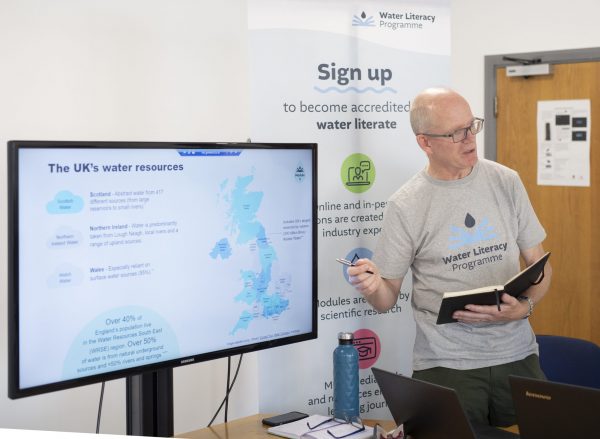
The day-long course, delivered online or in person, is designed to help employees understand where water comes from, how it is used and the growing pressures on supplies, including the impacts of climate change. Crucially, it gives people the knowledge and confidence to identify practical ways to use water more wisely and influence change within their workplace.
For businesses, that understanding can support action well beyond the workplace – helping employees become advocates for water efficiency in their homes and communities too.
The current drought conditions provide a powerful reminder of why this matters. Hosepipe bans and restrictions may be most visible to households, but the underlying pressures on water resources affect businesses, communities, agriculture and the natural environment alike.
Building water literacy is one practical way organisations can start preparing for a future in which water availability cannot be assumed.
Could your organisation benefit from Water Literacy training? Talk to your employer about commissioning a course and find out more at https://www.groundwork.org.uk/east/what-we-do/water-literacy/