


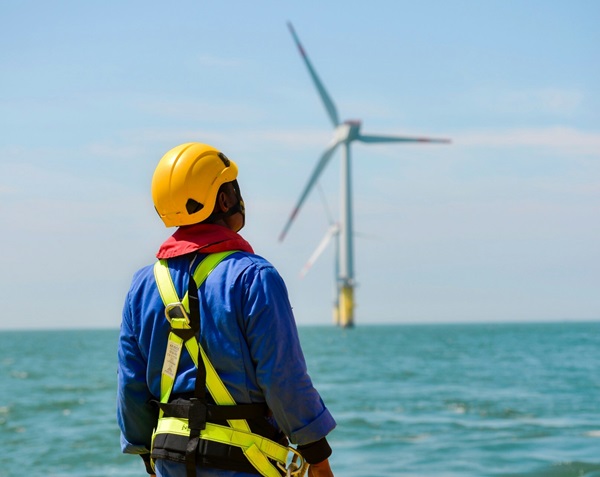
Clean energy growth depends on people who can build, maintain, and operate renewable assets safely. Wind projects need technicians who are prepared for turbine access, field conditions, emergency response, and technical development. GWO certification gives new and developing wind workers a recognised safety baseline before they move into onshore or offshore project work. That foundation matters because the clean energy transition is not delivered by policy targets alone. It depends on enough skilled people being ready to work safely across projects that continue to grow in size, distance, and technical demand.
Wind expansion needs prepared technicians
Wind employers need more than general mechanical or electrical ability. New entrants must understand the working conditions found inside and around turbines before technical responsibility increases. Completing GWO certification gives technicians a structured route into that environment. It helps establish the safety behaviours expected before site induction, project procedures, and supervised field experience begin.
This foundation supports employers building a technician pipeline. A recruit may come from manufacturing, construction, the armed forces, or another energy role. Each background brings useful experience, but wind work has its own access requirements and emergency expectations. GWO courses help create a common starting point across those different routes into the sector. The training makes it easier for supervisors to focus on project-specific details because the core safety expectations are already understood.
Training standards support workforce mobility
The wind sector depends on teams that can move between projects and employers without losing consistency in safety expectations. The official GWO training standards describe learning objectives agreed for technicians working across construction, installation, operations, and maintenance. That standardisation matters because wind is a project-based sector with international supply chains and a mobile workforce.
GWO courses support this mobility by giving workers a recognised basis for site access and further development. A technician who understands basic safety requirements is better prepared to build technical skills. Mechanical work, electrical systems, hydraulic equipment, and bolt tightening each require care before they become routine tasks. Safety training gives the technician a framework for working around these systems without relying only on general engineering experience.
Skills growth needs a clear route
A strong wind workforce is built in stages. Entry training creates the safety foundation. Supervised fieldwork then develops confidence. Technical learning supports more specialised responsibility as workers gain experience. This route helps new technicians see progress instead of treating training as an obstacle before real work begins.
Employers also benefit from this structure because it helps identify where each person sits in the development pathway. A new technician may be ready for basic site activity but not independent troubleshooting. Another worker may need refresher learning before returning to a task they have not carried out recently. Clear training records support these decisions and reduce the risk of placing people into work before they are ready.
Offshore and onshore growth need adaptable teams
Onshore and offshore wind projects create different working conditions, but both depend on disciplined preparation. Onshore technicians may travel between remote sites and work around local access constraints. Offshore technicians face transfers, weather windows, and longer separation from immediate shore support. The equipment may share technical principles, but the operating environment changes the way the work is planned.
A workforce strategy should reflect those differences without creating separate cultures of safety. Technicians need to understand the same basic expectations before adapting them to the project location. This is where GWO courses help employers create consistency. They provide a recognised foundation while leaving room for project leaders to add local procedures, site rules, and task-specific instruction.
Clean energy delivery depends on people
A clean energy strategy is only practical when there are enough skilled workers to deliver it. Turbines need inspection, maintenance, repair, and safe operation long after installation. The people carrying out that work need a route into the sector that is clear, recognised, and connected to technical growth. Training also supports retention because workers are more likely to stay when they can see how early safety preparation leads towards meaningful responsibility.
GWO certification and ongoing GWO courses give employers a practical way to prepare technicians for this demand. When safety training is connected to technical growth and field experience, the wind sector is better placed to build the workforce required for long-term renewable expansion. Clean energy growth depends on infrastructure, investment, and regulation, but it also depends on technicians who are ready to keep turbines working safely over time.